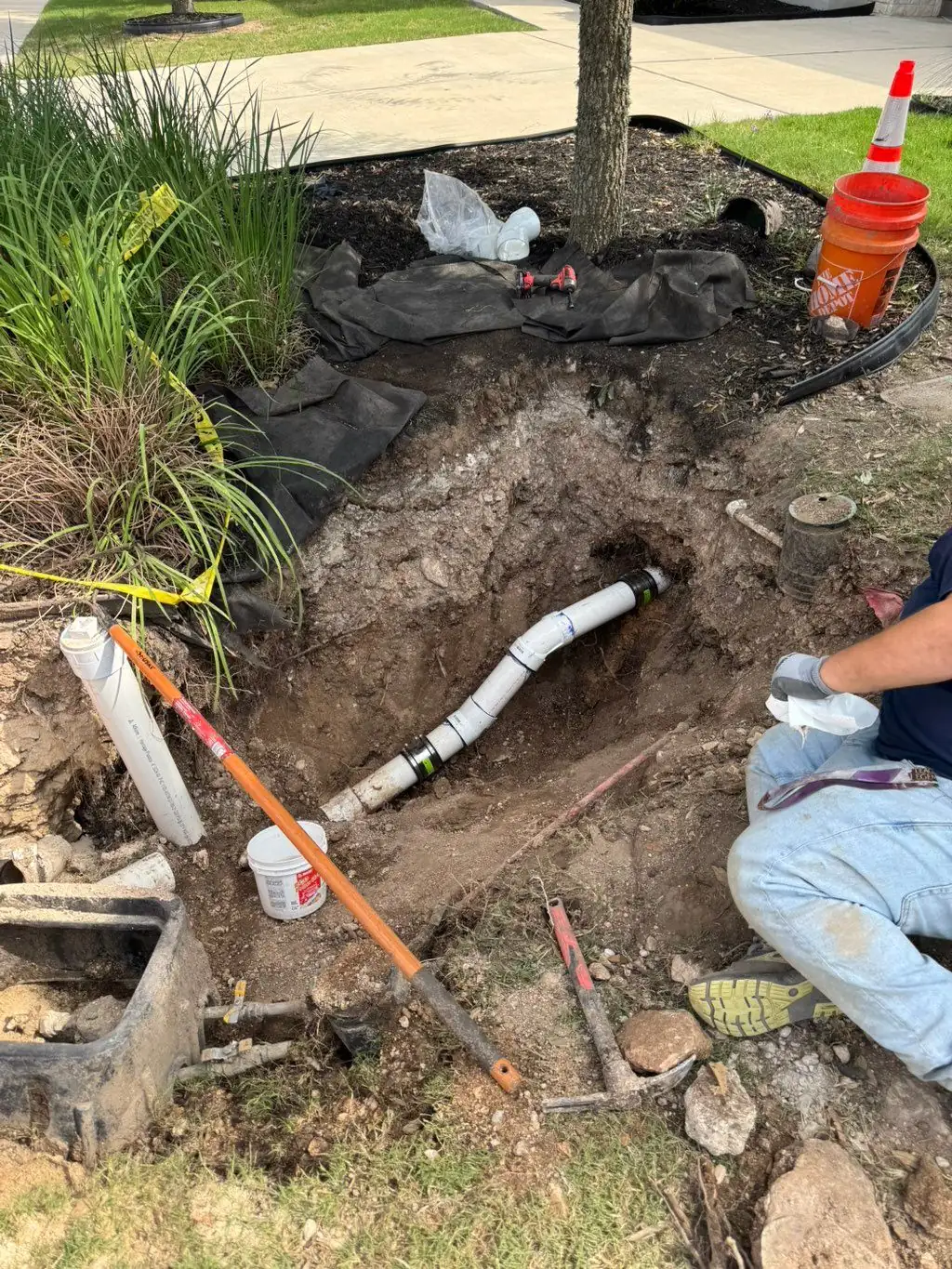
What Is a Slab Leak?
Austin homes are commonly built on concrete slab foundations. The water supply and drain lines that run beneath that slab are exposed to soil movement, mineral-rich water, and the occasional hard freeze. Over time, a pipe under the slab can develop a small leak that is hidden from view but causes damage to the foundation and flooring above.
1. Your Water Bill Spikes Without Explanation
A sudden increase in your monthly water bill — without any change in your household habits — is one of the first signs of a hidden leak. Water leaking below the slab runs continuously, and the meter keeps measuring it even though no faucet is open.
2. Warm or Wet Spots on the Floor
If you notice an area of your floor that feels warm underfoot, or a spot where the carpet is damp without a clear cause, a hot water line leak beneath the slab could be the reason. The water travels upward through the concrete and subfloor before becoming visible.
3. Low Water Pressure at Fixtures
A leak in the supply line below the slab reduces the pressure available at your faucets and showers. If the drop in pressure is sudden or localized to one side of the house, it can point toward a specific section of the underground supply system.
4. The Sound of Running Water With No Fixtures Open
If you hear water moving inside walls or beneath the floor when every faucet is turned off, that sound often comes from a pipe that is actively losing water. A pressure test can confirm whether the supply system has an unaccounted-for loss.
5. Cracks in Your Flooring or Baseboards
Prolonged moisture under a slab can soften the soil and cause the foundation to shift slightly. That movement sometimes produces cracks in tile, hardwood gaps, or separating baseboards. While foundation movement has several causes, it is worth ruling out a slab leak when cracks appear alongside other warning signs.
What to Do If You Notice These Signs
Turn off the main water supply if you suspect an active leak and the signs are severe. For anything less urgent, schedule an inspection as soon as possible. A plumber can run a pressure test on the supply lines to confirm whether a leak is present and approximate its location before any concrete work begins.
Slab Leak Repair Options
Depending on the location and severity of the leak, repair options include direct access through the slab, rerouting the pipe through the walls to bypass the damaged section, or repiping the affected run entirely. A plumber can walk you through which option makes sense for your home based on the pipe material, leak location, and existing plumbing layout.
Central Texas Conditions and Slab Leaks
Austin's clay-heavy soil expands during wet weather and contracts during dry periods. That movement puts stress on underground pipes over time. Hard water also accelerates corrosion on copper supply lines. These local conditions make slab leaks more common here than in many other parts of the country.
The Bottom Line
Slab leaks are easier to address when caught early. If your water bill has climbed, your pressure has dropped, or you have noticed warm spots or unexplained moisture, getting a pressure test scheduled is the right first step. Ignoring these signs can allow a small leak to become a larger foundation or water-damage issue over time.
Need plumbing help in Austin? Mango Plumbing is ready.